Chargebacks are an unavoidable part of doing business online. Even the most diligent merchants face disputes. When a customer files a chargeback, the burden is on the merchant to prove the transaction was valid. This process,

Chargebacks are an unavoidable part of doing business online. Even the most diligent merchants face disputes. When a customer files a chargeback, the burden is on the merchant to prove the transaction was valid. This process,

Chargebacks can be a devastating blow to any eCommerce business. Beyond the immediate loss of revenue from the disputed transaction, merchants face additional fees, administrative costs, and potential damage to their reputation with payment processors.
What many business owners don’t realize is that the true cost of a chargeback often exceeds double the original transaction amount when you factor in chargeback fees,

Chargebacks are an inevitable part of running a business in the modern eCommerce landscape. For merchants, they can be both a financial and operational burden, especially if they occur frequently or unexpectedly. But by understanding the chargeback lifecycle,

Chargebacks are a growing concern for eCommerce businesses and online retailers. They’re not just administrative headaches but can lead to significant financial losses, hurt your reputation, and even result in higher processing fees. If left unchecked,

Chargebacks are a common, yet often misunderstood, aspect of eCommerce.
For businesses, they can be more than just an inconvenience; they can lead to revenue loss, additional fees, and even damage to reputation. Chargeback management, therefore,

The Fair Credit Billing Act (FCBA) is a federal law in the United States enacted in 1974 to protect consumers from unfair billing practices. It provides guidelines for resolving disputes related to billing errors on credit card accounts,

Reversing a chargeback is the process of challenging a disputed transaction that has been initiated by a customer through their bank or credit card issuer.
When a customer files a chargeback, they are essentially requesting a refund from their bank or credit card company.

A “payment reversal” is a term that encompasses any instance in which funds from a transaction are returned to the cardholder’s bank account. Sometimes referred to as “credit reversals” or a “reversal payment,” this process includes authorization reversals,
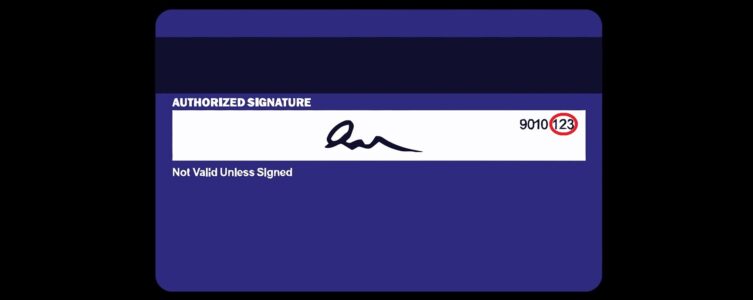
A CVV code, or Card Verification Value, is a three or four-digit number found on credit and debit cards, serving as an additional layer of security for card transactions.
This code is typically located on the back of the card for Visa and Mastercard,

Chargeback alerts are a proactive tool used by merchants and financial institutions to manage and prevent chargebacks.
When a transaction is disputed by a customer, a chargeback alert is immediately sent to the merchant, notifying them of the potential chargeback.